Ozone Pool Systems in Houston, TX
Ozone purification that oxidizes contaminants quickly so much less chlorine is needed — planned with your pool's circulation and equipment.
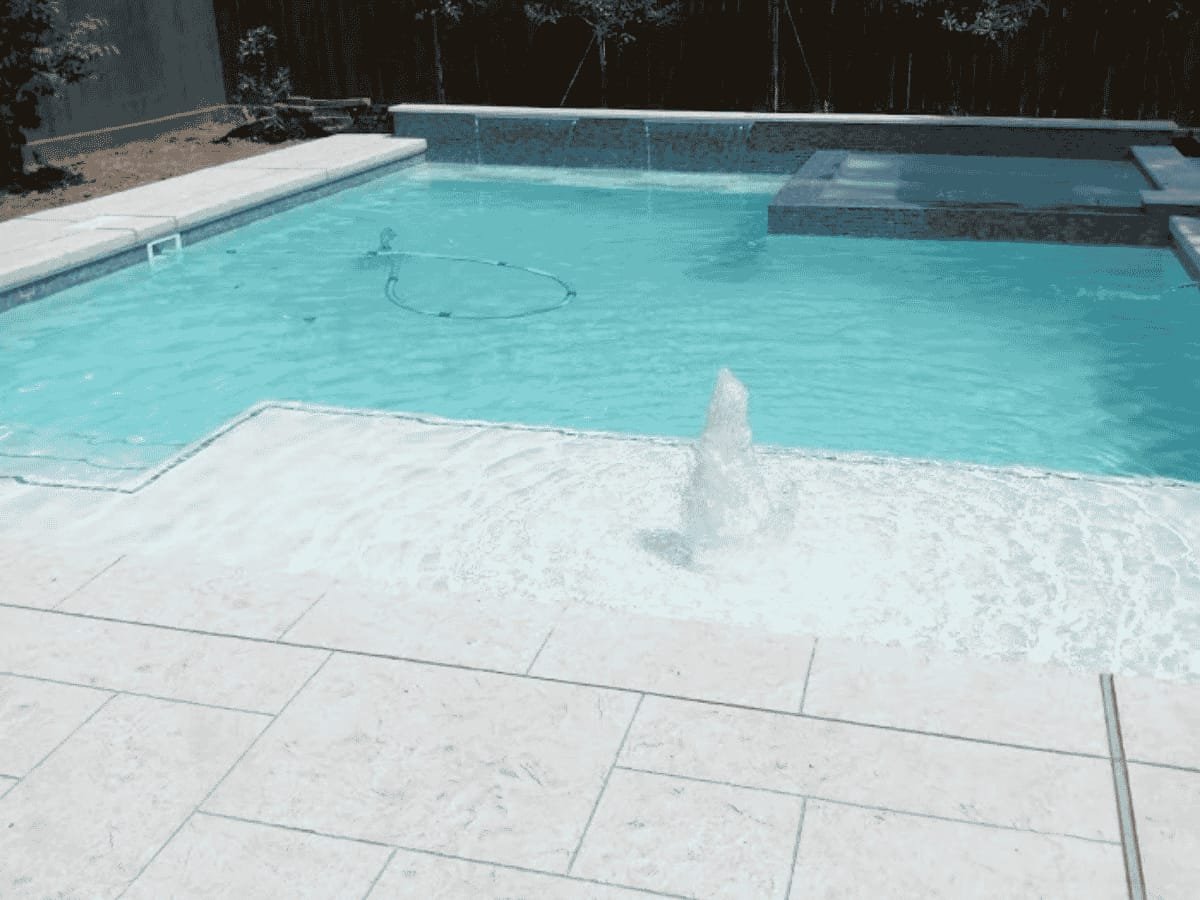
Ozone Pool Systems in Houston, TX
An ozone pool system uses ozone as an additional water-treatment technology to oxidize contaminants as pool water passes through the circulation system. For homeowners who want to reduce their reliance on traditional chlorine treatment, ozone can be incorporated into the pool's equipment and circulation design as part of a broader water-management system. Ozone does not eliminate the need for proper filtration, circulation, water testing or a residual sanitizer. Call (281) 455-9691 to discuss an ozone pool system for your new or existing pool.
Craftsmanship In Every Detail
A closer look at the artistry, materials and finish we bring to every ozone pool systems project.
How Ozone Purification Works in a Pool
Ozone is a powerful oxidizing agent. In a pool system, ozone is generated by an ozone generator and introduced into the circulating water. As the treated water moves through the system, ozone helps oxidize certain organic contaminants and other substances in the water.
- Pool water enters the circulation system.
- Water passes through filtration and treatment equipment.
- An ozone generator produces ozone.
- Ozone is introduced into the circulation stream.
- Ozone reacts with contaminants.
- Treated water continues through the pool circulation system.
- A residual sanitizer remains available in the pool water.
Ozone Is Part of a Complete Pool System
Ozone should not be viewed as a replacement for every other part of pool maintenance. A well-designed pool still requires appropriate filtration, circulation, water testing, water balance, cleaning, equipment maintenance and residual sanitation.
Ozone complements those systems. The goal is to use multiple components together rather than expecting one piece of equipment to solve every water-quality issue.
Does Ozone Replace Chlorine?
No. One of the most important things homeowners should understand is that an ozone pool is not necessarily a chlorine-free pool.
A residual sanitizer is still important for protecting the water between circulation cycles and throughout the pool. Ozone works as part of the overall treatment system and can reduce the amount of chlorine required compared with a chlorine-only approach.
The exact sanitizer requirement varies according to the pool, usage, water conditions and equipment configuration.
What Owners Notice First
Clearer-Looking Water
Properly designed and maintained ozone systems can contribute to clean, clear-looking pool water by helping oxidize contaminants. Water clarity still depends on the complete system, including filtration, circulation and water chemistry.
Less Noticeable Chlorine Odor
A strong chlorine smell is often associated with pool water that contains chloramines and other compounds rather than simply with the presence of chlorine itself. By helping oxidize contaminants, ozone can contribute to a swimming environment with less noticeable chlorine odor.
Softer Swimming Experience
Homeowners often describe well-maintained ozone-treated water as feeling softer or more comfortable. The actual swimming experience depends on the complete water chemistry and treatment system, not ozone alone.
Reduced Chlorine Dependence
Ozone can reduce the amount of traditional chlorine treatment required compared with a chlorine-only approach. It does not eliminate the need for a sanitizer residual.
Ozone and Alkaline Water Together
Ozone and alkaline water are separate concepts that can be considered as part of a broader pool-water strategy.
Ozone focuses primarily on oxidation and contaminant reduction. Alkaline water systems focus on water chemistry and maintaining a particular approach to pool-water balance.
They should not be treated as interchangeable technologies. Creative Lifestyle Pools can help homeowners understand how different water-treatment options fit into the overall pool system.
Ozone Systems for New Houston Pools
The easiest time to incorporate an ozone system is often during the original pool design and equipment planning process.
When ozone is included from the beginning, the equipment pad and circulation system can be planned around the complete water-treatment strategy. This allows the pool builder to consider equipment location, plumbing, circulation, filtration, pump selection, ozone generator, sanitizer system, automation and equipment accessibility.
Ozone Pool Upgrades for Existing Pools
An ozone system does not necessarily require a brand-new pool. Some existing pools can be upgraded with ozone equipment.
However, compatibility depends on the existing plumbing, equipment pad, circulation system, pump, filtration, available space, electrical configuration, pool size and existing sanitation system.
An evaluation should be completed before selecting equipment. The objective is not simply to install an ozone generator. The system needs to work appropriately with the pool's existing circulation and treatment equipment.
Ozone in Houston Heat
Houston pools operate through long periods of heat, intense sunlight and frequent outdoor use. Those conditions can influence pool-water management.
A pool may experience higher bather loads, increased evaporation, strong sunlight, longer swimming seasons, frequent outdoor entertaining, seasonal storms and additional debris.
An ozone system can become one component of a broader strategy for maintaining water quality under those conditions. However, equipment alone does not eliminate the need for routine water testing and maintenance.
Ozone and Pool Circulation
Circulation is fundamental to pool water quality. Even an advanced purification system cannot perform effectively if water is not moving through the system properly.
That's why Creative Lifestyle Pools considers the ozone system together with pump capacity, plumbing configuration, filtration, return locations, equipment placement, pool volume and operating schedules.
The goal is consistent circulation through the treatment system.
Ozone Pool Systems and Pool Maintenance
One of the attractions of an ozone pool system is the potential to simplify routine pool care. But ozone does not mean maintenance-free.
Homeowners still need to monitor water chemistry, sanitizer levels, pH, alkalinity, filter condition, pump operation, water level, pool cleanliness and ozone equipment.
Maintenance requirements vary according to pool size, usage, environment and equipment. Some homeowners report very short routine maintenance periods, but actual maintenance time varies from pool to pool.
Designing the Ozone Equipment Pad
The equipment pad is an important part of the pool system even though homeowners may rarely see it. A properly organized equipment area can make future maintenance easier.
An ozone-equipped pool may include circulation pump, filter, ozone generator, sanitization equipment, valves, plumbing, automation controls and electrical connections.
Why Homeowners Choose Ozone Pool Systems
- 01 - Reduced Chlorine Dependence — Ozone can help reduce the amount of chlorine needed compared with a chlorine-only treatment approach.
- 02 - Clear Water — Ozone oxidation can contribute to clear-looking water when combined with proper filtration, circulation and water chemistry.
- 03 - Less Noticeable Chlorine Odor — By helping oxidize contaminants, ozone can contribute to a pool environment with less noticeable chlorine odor.
- 04 - Comfortable Swimming — Homeowners often choose ozone because they prefer the feel and overall experience of properly treated water.
- 05 - Integrated Equipment — For new pools, ozone can be planned with the circulation and equipment system rather than added later.
- 06 - Long-Term Water Management — Ozone provides another tool for managing pool water rather than relying exclusively on one sanitation method.
Key Features
Additional oxidation
Ozone oxidizes contaminants as water circulates.
Reduced chlorine use
May reduce dependence on chlorine-only treatment.
Clearer water
Contributes to clear-looking water with proper filtration.
Less chlorine odor
Helps oxidize contaminants that cause strong pool odors.
Integrated equipment
Planned with the pool's circulation system from the start.
Works for existing pools
Compatible upgrades available after evaluation.
How It Works
-
01
Understand Your Pool
We begin with the pool design or existing pool system and discuss how you use the pool and what you want to improve.
-
02
Review Circulation and Equipment
We evaluate the circulation strategy and equipment requirements.
-
03
Plan Ozone Integration
The ozone generator and associated plumbing are incorporated into the equipment strategy.
-
04
Coordinate With Filtration and Sanitization
Ozone is planned alongside the rest of the water-treatment system.
-
05
Installation
The system is installed and connected according to the pool's equipment configuration.
-
06
Startup and Adjustment
The completed system is checked during startup to ensure circulation, equipment operation and water-treatment components work together.
-
07
Owner Walkthrough
Homeowners are shown the basic operating and maintenance considerations for the system.
What Affects Ozone System Cost
The cost of an ozone pool system depends on whether it is being installed in a new pool or retrofitted into an existing pool, and the equipment configuration involved.
A properly designed and maintained ozone system can contribute to clean water, less noticeable chlorine odor and a more comfortable swimming experience. It does not replace appropriate sanitizer, filtration or water testing.
Frequently Asked Questions
You May Also Need
Ready to talk with Jim?
Tell us about your property, timeline and goals. Jim personally responds, usually within one business day.